This story is about expertise developed in fusion research and later applied in a different domain. Julio Calvo built this background during his PhD at CIEMAT, the Spanish public research centre for energy, environment and technology, and later expanded it at CERN. Today, he applies it at the International Telecommunication Union, where spectrum management requires rigorous modelling, analysis, and software development.
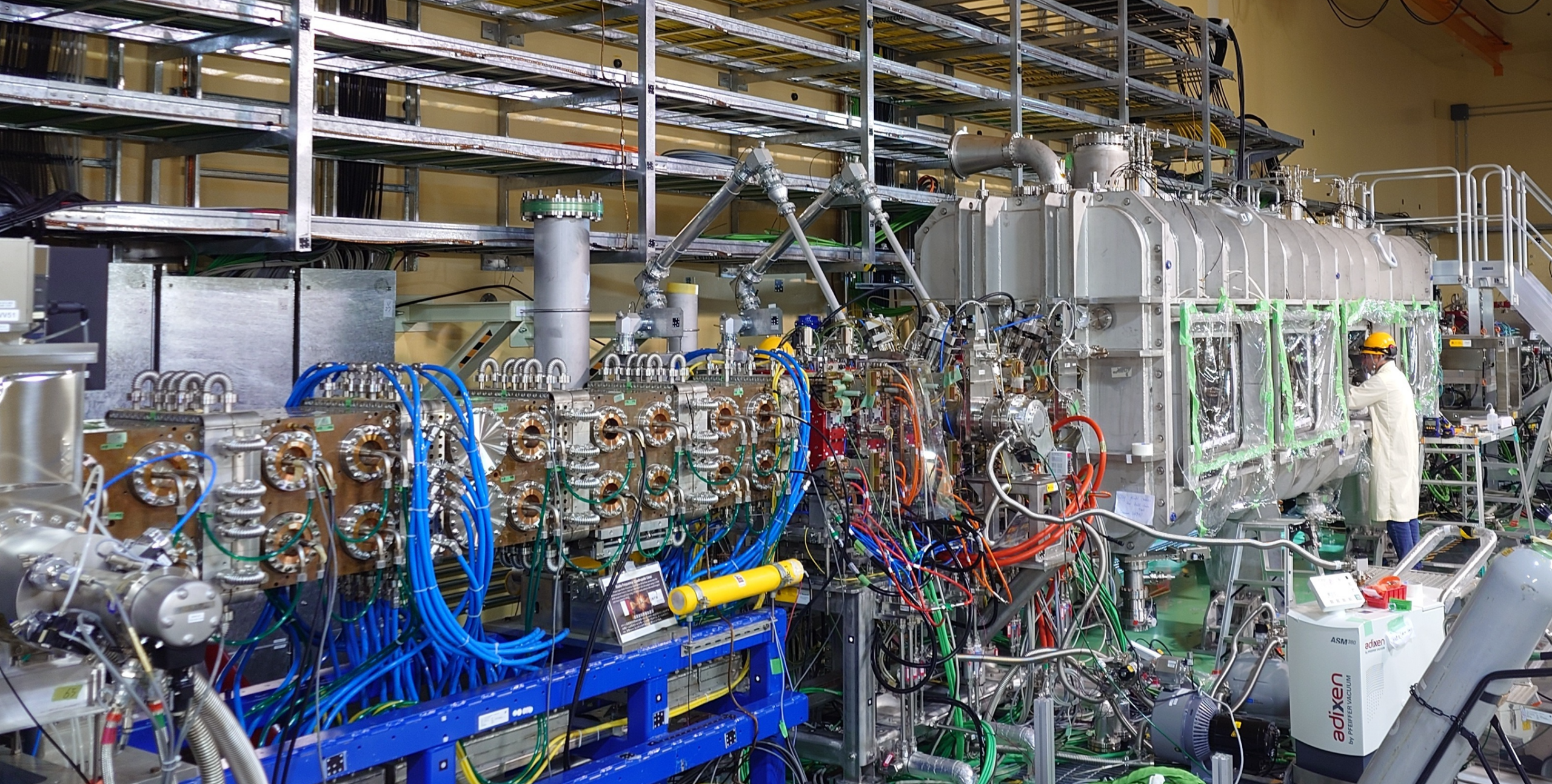
The starting point was the fusion research environment linked to the IFMIF DONES programme. At CIEMAT, Julio Calvo worked on the design and implementation of control systems for linear accelerators used to test materials for future fusion reactors. This work required a strong combination of physics, engineering, computation, and system validation in a demanding technical setting.
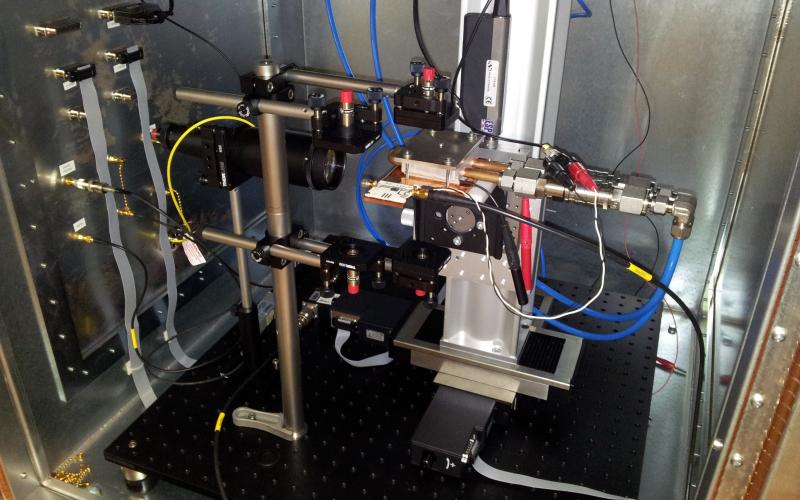
His expertise later grew at CERN, where he contributed to simulation tools such as TRACS. These tools were used to model charge transport and radiation damage in silicon detectors operating in intense radiation environments. This work strengthened his experience in numerical modelling, C++ programming, data analysis, and the validation of complex electromagnetic systems.
Today, this background is used in a different context. At the ITU, Julio Calvo applies these methods to technical studies on spectrum use, compatibility between terrestrial and satellite systems, and software tools that support international coordination procedures. The subject is different, but the underlying challenges are similar: complex physical interactions must be analysed carefully, results must be robust, and decisions must rely on sound technical evidence.
The value of this background is significant. Methods developed in fusion and accelerator research help improve the accuracy and reliability of technical assessments in telecommunications. This supports better decisions, reduces the risk of interference between systems, and strengthens the technical capacity of the ITU in a field where precision is critical.
The impact reaches beyond technical level. Reliable spectrum management supports mobile communications, satellite services, navigation, climate monitoring, and emergency response systems. In that sense, expertise developed for fusion research now contributes to a more efficient and more equitable use of a shared global resource.
This case also shows the broader value of fusion research. It trains experts able to work on complex physical systems, manage uncertainty, and develop robust software tools. These capabilities are highly transferable and can create value far beyond the original research field.