Some technologies are built to control matter under extreme conditions. Others are built to guide spacecraft through the silence of space. At first glance, these worlds seem far apart but in this case, they are connected by the same mathematical language.
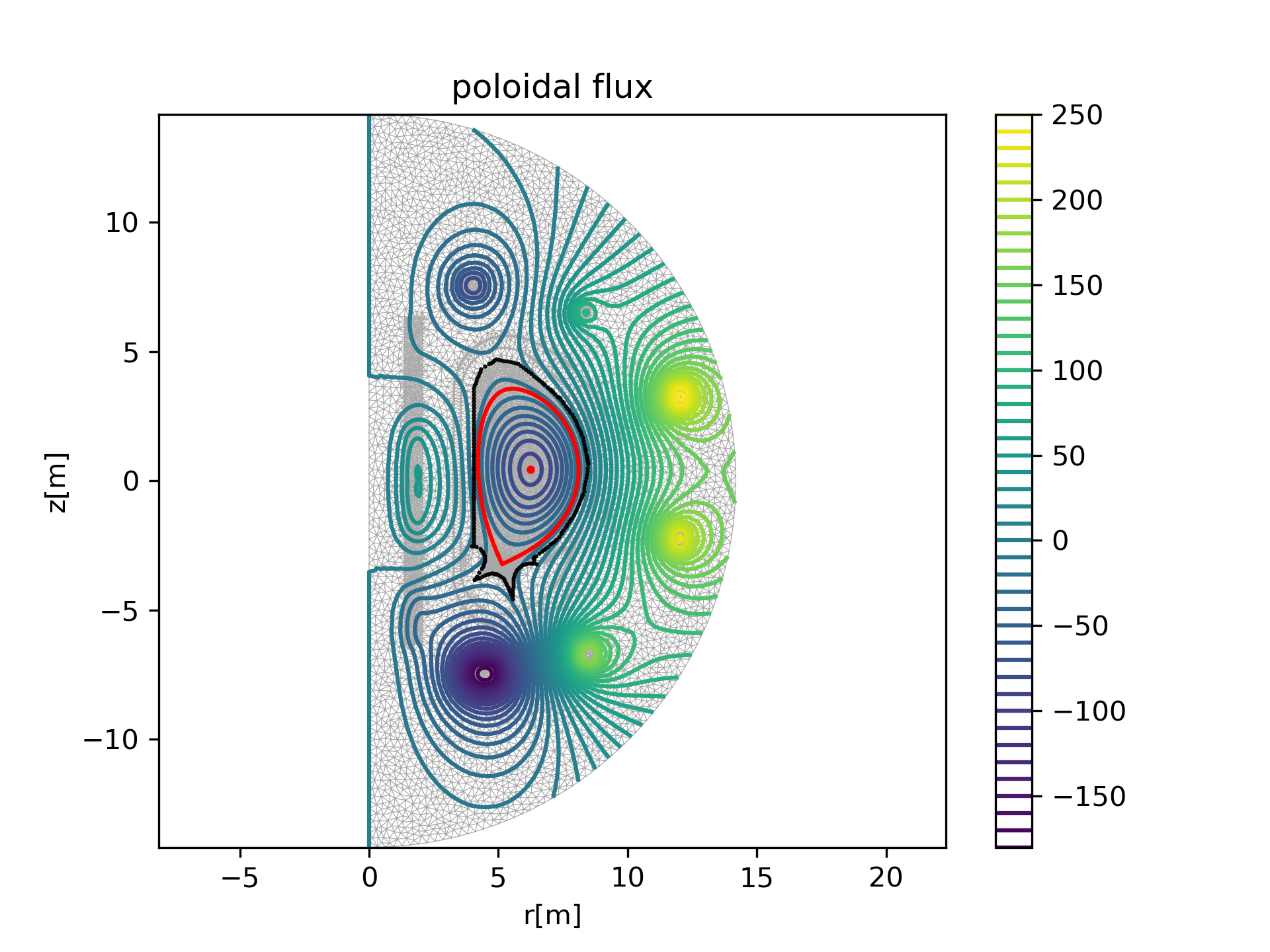
The story begins in fusion research, where understanding the behaviour of plasma inside a tokamak requires powerful numerical tools. At Université Côte d’Azur, the Castor Inria team developed NICE, a finite element software designed to simulate the evolution of plasma equilibrium in axisymmetric tokamak configurations. This work focused on solving electromagnetic problems with a high level of precision, in a field where geometry, currents and field interactions must all be captured with care. The project material you shared describes this origin clearly and explains why the software became relevant far beyond fusion.
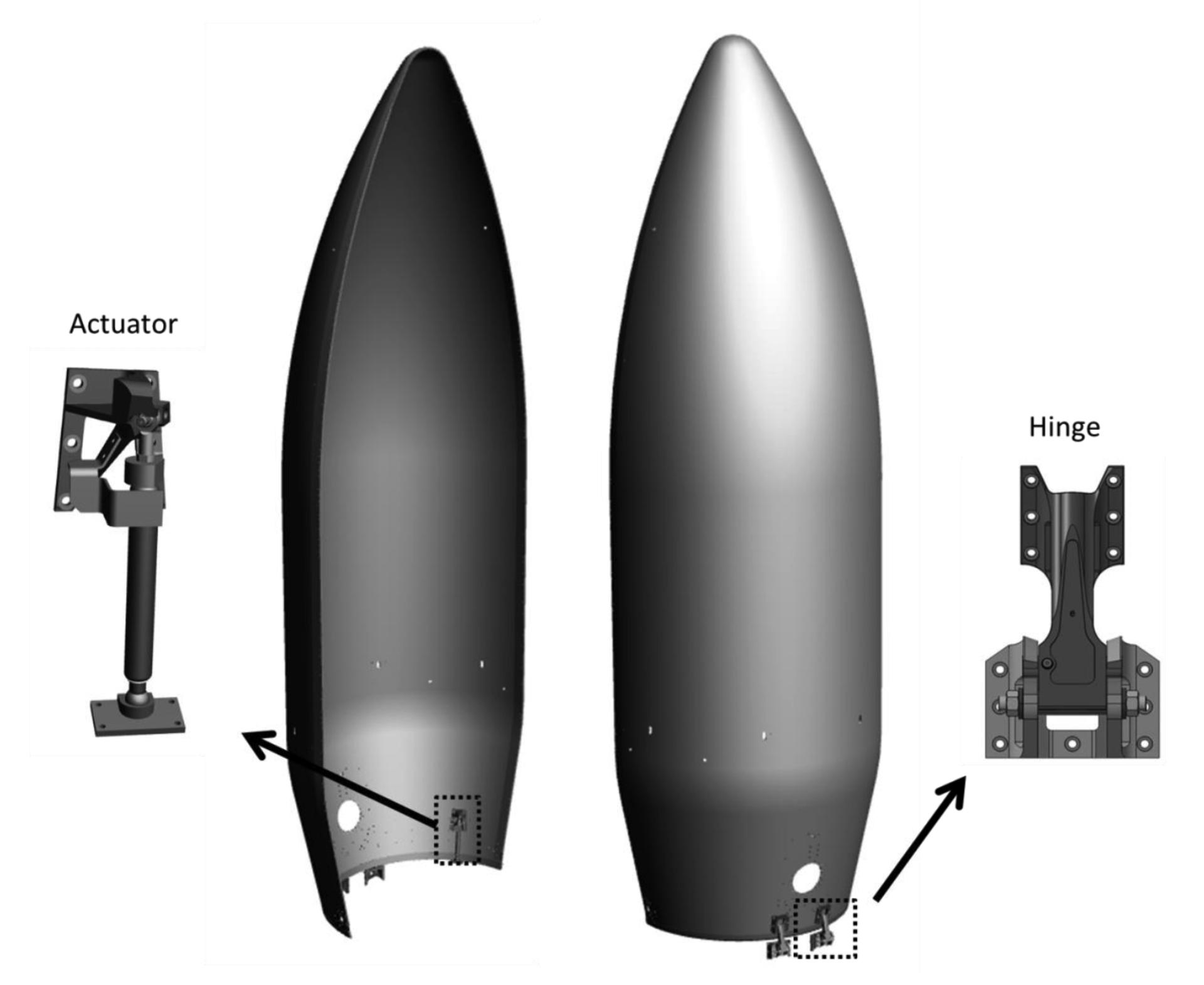
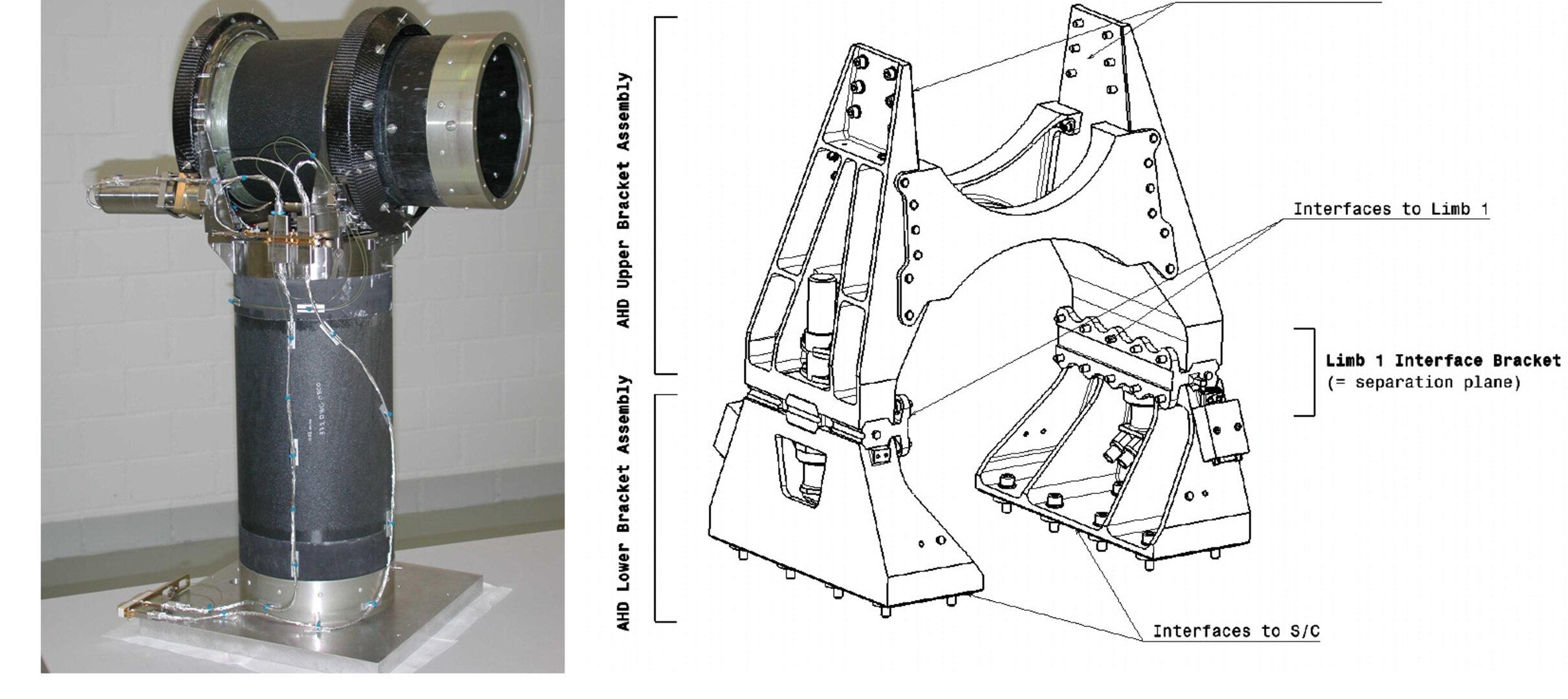
The bridge to space came from an unexpected similarity. In the MARS project, short for Melting Alloy Release System, engineers faced a challenge linked to release mechanisms for space systems. The principle is elegant. Two parts are connected, then separated by heating and melting their junction through eddy currents generated by a variable magnetic field. Even though the application is completely different, the underlying geometry and the equations needed to model it are remarkably close to those used in tokamak physics. That is where fusion know how became directly useful.
GDTech entered the story through a project related to a non pyrotechnic hold release system based on electromagnetic induction, originating from a patent filed by Thales Alenia Space Italia. The target application is highly strategic. This kind of mechanism can be used for stage separation in multi stage launchers, an area of strong interest for ESA and for the European space industry more broadly.
This is where the transfer becomes more than a technical adaptation. NICE was not simply reused. It was repurposed to support the development of an electromagnetic thermo mechanical model for the MARS mechanism. In practical terms, fusion born simulation capability helped engineers study whether the concept works, how the thermal and electromagnetic effects interact, and how the release process can be validated before moving further toward industrial deployment. For space systems, this matters a great deal. Separation events happen once, under mission critical conditions, and they have to work exactly as intended.
The value for GDTech is immediate. Through this transfer, the company has expanded its expertise in electromagnetic simulation and strengthened its credibility for future discussions with space customers, whether institutional or commercial. That gain in credibility is not a side benefit, in the space sector, confidence in modelling and validation is part of the product itself. The ability to show that a mechanism has been rigorously studied can open doors that would otherwise remain closed.
This transfer says something larger about innovation. It shows that the path from fusion to industry does not always run through hardware. Sometimes the most valuable export is a modelling capability, a numerical method, a way of solving a problem that another sector did not know it could borrow. In this case, expertise shaped in the effort to master plasma equilibrium is now helping engineers think about separation, release and reliability far above the Earth.
That is what makes this story memorable. A software tool born in the effort to understand atoms inside a tokamak is now contributing to technologies designed to send machines safely toward the stars.