In fusion research, engineers and scientists often work with systems that are hard to measure, hard to predict and costly to interrupt. At Ghent University, this challenge led to the development of algorithms designed to combine sensor data, detect anomalies and improve decision making under uncertainty. The approach is based on Bayesian methods, with tools originally created for sensor fusion, predictive maintenance and the analysis of fluctuating plasma phenomena.
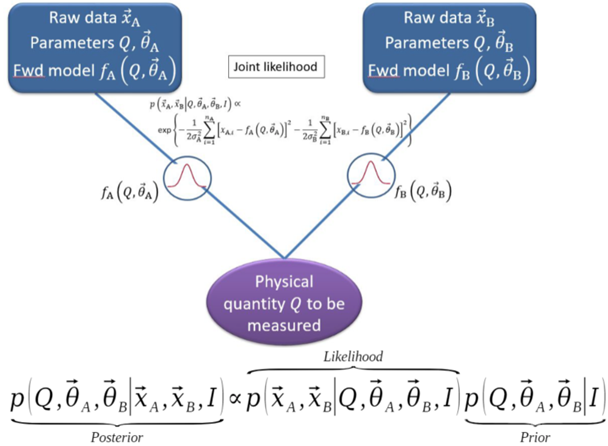
That same logic has now found a place far from the fusion lab. The technology was transferred to two Belgian companies, Ikologik and PropheSea, which joined forces to apply it in the food processing industry. Their pilot customer was Ecofrost, a company specialised in frozen potato products. In this industrial setting, production issues can quickly translate into higher energy use, lower efficiency and quality deviations. The fusion derived software was adapted to this context to monitor operations more closely and learn from process data over time.

The result is practical and immediate. By using self learning algorithms and sensor based monitoring, the system helps identify abnormal behaviour earlier and supports predictive maintenance before faults become costly. For Ecofrost, that means lower energy waste and better operational efficiency. For Ikologik and PropheSea, it created a new offer with potential far beyond one pilot site, first across food processing, then in other industries facing similar process control challenges.
This is a good example of what technology transfer can look like in practice. A method developed to understand unstable plasma behaviour is now helping improve the performance of industrial production lines. The sector changed, the core problem did not. Large volumes of uncertain data still need to be turned into useful decisions.